March 16, 2026
Home » Reports
When Cities Become Medicine: The Rise of Wellness-Led Urbanism
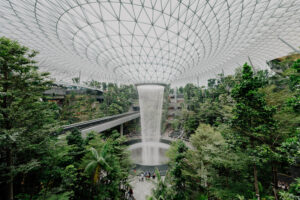
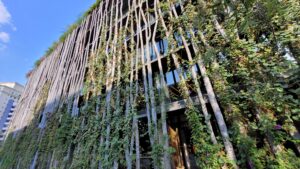
For most of urban history, cities were designed around movement, commerce, and density. Health, if considered at all, was an afterthought. Today, that is changing. A growing body of research shows that the built environment directly shapes human biology, influencing stress levels, cognitive performance, physical activity, and long-term disease risk. From regenerative neighborhoods in Europe to biophilic districts in Asia, a new generation of urban developers and policymakers is asking a different question: not just how can cities minimize harm, but how can they actively make people well.
Home » Reports