When Cities Become Medicine: The Rise of Wellness-Led Urbanism
For most of urban history, cities were designed around movement, commerce, and density. Health, if considered at all, was an afterthought. Today, that is changing. A growing body of research shows that the built environment directly shapes human biology, influencing stress levels, cognitive performance, physical activity, and long-term disease risk. From regenerative neighborhoods in Europe to biophilic districts in Asia, a new generation of urban developers and policymakers is asking a different question: not just how can cities minimize harm, but how can they actively make people well.
From Buildings to Biological Systems
Cities have always shaped how people live. But the idea that urban design could function as a form of preventive medicine, improving health outcomes as reliably as a clinical intervention, represents a profound shift in how we think about the places we build.
The evidence is mounting. Research across disciplines now links the structure of streets, buildings, and green spaces to measurable biological outcomes: lower cortisol levels, reduced cardiovascular risk, stronger immune function, and better mental health. Where people live, and how that environment is designed, turns out to matter enormously for how long and how well they live.
This understanding is reshaping urban development at scale. According to the Global Wellness Institute, the global wellness real estate market reached $548.4 billion in 2024 and is projected to surpass $1.1 trillion by 2029, growing nearly four times faster than the broader construction industry. That acceleration is not simply a reflection of consumer preference. It signals a deeper structural shift: health is no longer treated as an individual responsibility alone, but increasingly understood as a design outcome — something that can be built in, or designed out, of the places we inhabit.
Traditional development models focused on land value, density, and aesthetics. Sustainability movements later added environmental efficiency, emphasizing reduced emissions and resource use. Both were important steps. But they tended to treat human wellbeing as a secondary benefit rather than a central design objective. Wellness urbanism reframes this entirely. Instead of asking how buildings can minimize harm, it asks how environments can actively improve human health, integrating architecture, infrastructure, landscape design, and mobility systems into a single, health-oriented ecosystem.
Researchers now describe wellness real estate through six interconnected dimensions: the physical, ensuring movement-integrated design and access to clean air and water; the mental, drawing on neuro-architectural principles such as natural light and acoustic comfort; the social, through shared gathering spaces and community-oriented environments that strengthen bonds between residents; the environmental, via biophilic design and alignment with broader ecological goals; the spiritual, with quiet zones and contemplative spaces that support reflection and emotional balance; and the economic, recognising the measurable “wellness premium” that healthier environments command, with wellness-certified buildings achieving rental premiums of 4.4% to 7.7% per square foot. When these elements operate together, the built environment itself becomes a system of preventive care, shaping behaviour and exposure patterns every day.
Five Decades in the Making: The Rise of the Health-Positive City
The ambition to design cities around human health is not entirely new, but the scale and rigour with which it is now being pursued represents a significant shift from earlier approaches to urban development.
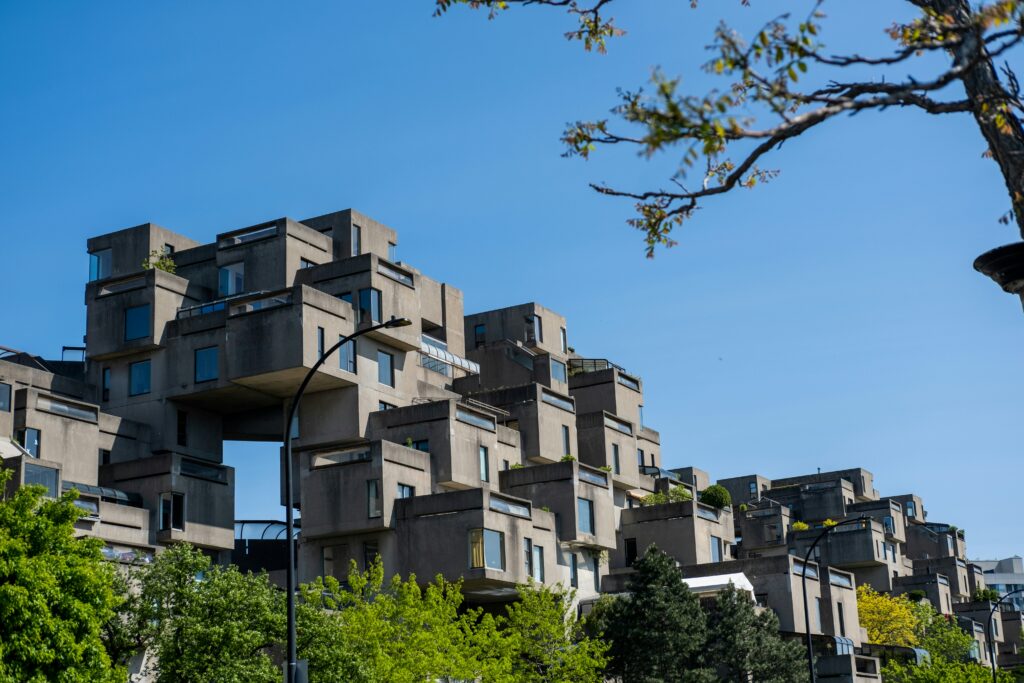
The origins of that shift can be traced back to 1967, when architect Moshe Safdie unveiled Habitat 67 at the Montreal World Expo, a residential complex designed so that every unit, regardless of height, had access to a private outdoor garden. In a 1974 book formalising the principle, Safdie argued that density and access to nature were not in conflict, and that architecture had a responsibility to reconnect urban residents with the natural environment. It was a vision that would take decades to enter mainstream practice.
Through the 1980s and 1990s, the dominant conversations in urban planning moved along parallel but distinct tracks. The New Urbanism movement, formalised with the founding of the Congress for the New Urbanism in 1993, pushed back against car-dependent suburban sprawl and advocated for walkable, mixed-use neighbourhoods. Around the same time, the green building movement introduced environmental performance as a measurable standard in construction, culminating in the launch of the LEED certification system in 1998. Both movements advanced important principles, but neither placed human health at the centre of the design agenda, wellbeing remained a secondary benefit rather than a primary objective.
That began to change in the 2000s, as a growing body of research demonstrated that the indoor built environment had direct, measurable effects on occupant health. The WELL Building Standard, launched in 2014, became the first certification system designed explicitly around human health, assessing buildings across dimensions including air quality, lighting, acoustics, and mental comfort. By 2024, WELL was in operation across more than five billion square feet of space in 130 countries, reflecting rapid institutional adoption of health as a core performance metric in real estate.
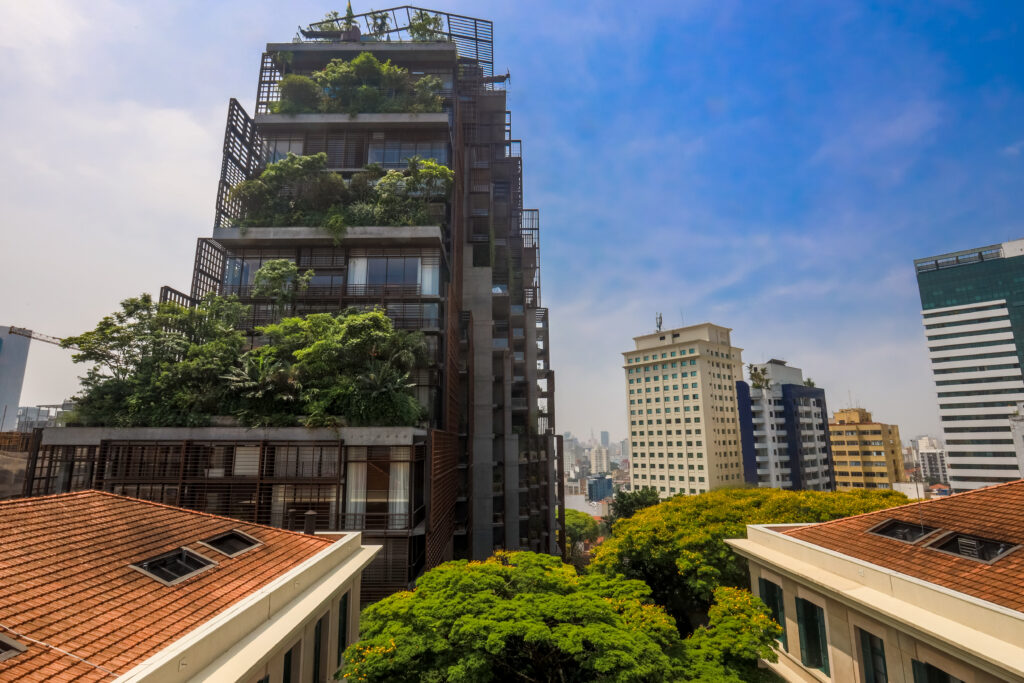
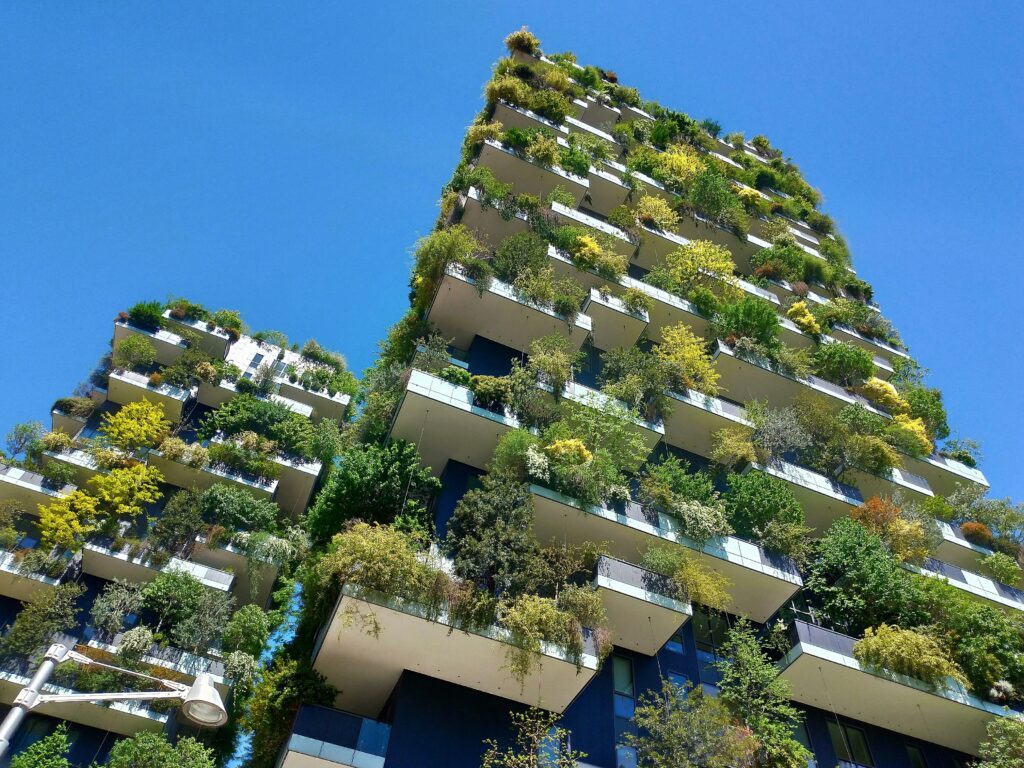
In the same year WELL launched, Bosco Verticale opened in Milan – Stefano Boeri’s twin residential towers in the Porta Nuova district, hosting 800 trees, 4,500 shrubs, and over 15,000 plants across 100 species, equivalent to nearly five hectares of forest on a footprint of roughly 1,000 square metres. The project demonstrated at scale that nature could be structurally integrated into dense urban development, not as an aesthetic feature but as a functioning ecological system delivering measurable benefits – improved air quality, noise reduction, urban cooling, and increased biodiversity.
Over the past decade, the conversation has expanded further, from individual buildings to entire districts. It is at this scale that Impact One’s One Health Research Centre, founded in 2022, is contributing some of its most relevant work. Drawing on the One Health framework, the principle that human, animal, and environmental health are deeply interconnected, the OHRC links urban design, biodiversity science, and preventive medicine into a unified research agenda. As a member of the World Economic Forum’s Global Commission on Nature-Positive Cities, Impact One sits at the intersection of research, policy, and urban development, contributing to the scientific and governance frameworks shaping how cities grow.
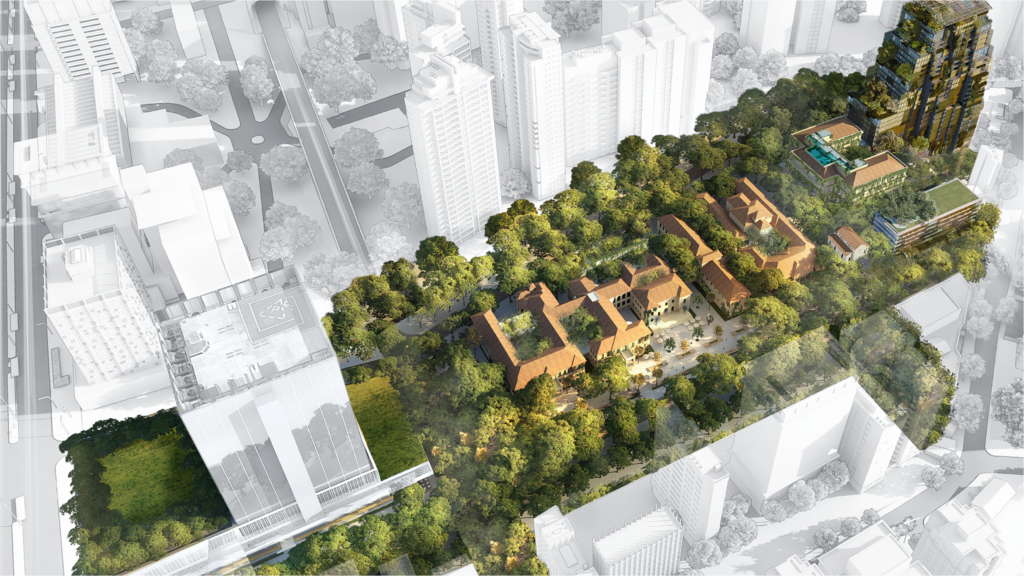
That research is also being tested in practice by developers around the world. In São Paulo, Cidade Matarazzo, developed on the site of a historic hospital complex, has transformed a long-neglected urban site into a 30,000 m² mixed-use district integrating native Mata Atlântica species, cultural programming, and wellness infrastructure across ten restored historic buildings and new architecture, with green spaces planted exclusively with native flora.
In Rio de Janeiro, Mata Maravilha is applying a similar approach at significantly larger scale. Currently in development in the city’s historic port district, the project covers 223,000 m² and will plant over 40,000 trees and shrubs native to the Atlantic Forest across more than 10 hectares. Selected through a public tender by the City of Rio de Janeiro, it integrates mangroves and natural filtration systems designed to help restore Guanabara Bay, with rainwater harvesting, natural ventilation, and living facades projected to reduce local temperatures by up to 8°C.
The Hidden Health Costs of Conventional Cities
Modern urban environments carry significant health costs that rarely appear in real estate valuations or city budgets, but show up reliably in hospital admissions, healthcare expenditure, and lost productivity.
Heat is among the most well-documented risks. Cities are consistently warmer than the rural and suburban areas surrounding them, a phenomenon known as the urban heat island effect, caused by the concentration of heat-absorbing materials like asphalt, concrete, brick, and the displacement of vegetation and water bodies. The health consequences are measurable and significant. A 2025 study published in The Lancet Planetary Health estimated that around half of London’s heat-related deaths in summer 2018, approximately 399 fatalities, were attributable specifically to the urban heat island effect, carrying social costs of up to £987 million in that single season.
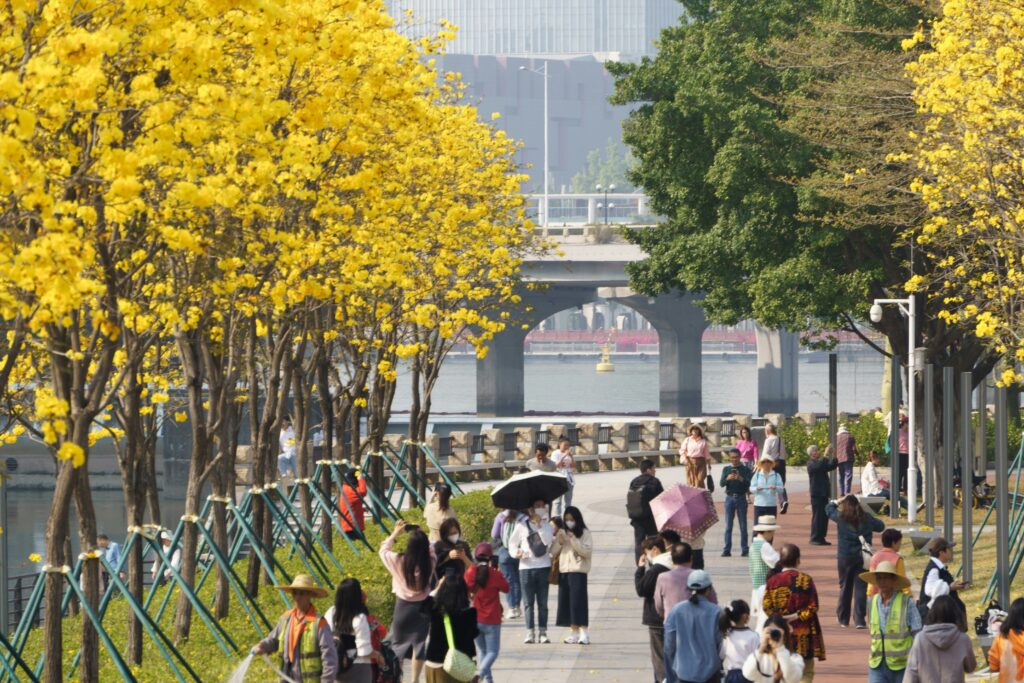
The design of cities also shapes how much people move, with consequences that compound over a lifetime. Urban design that prioritises cars over walkable spaces reduces opportunities for physical activity and contributes to the growing prevalence of sedentary behaviour.
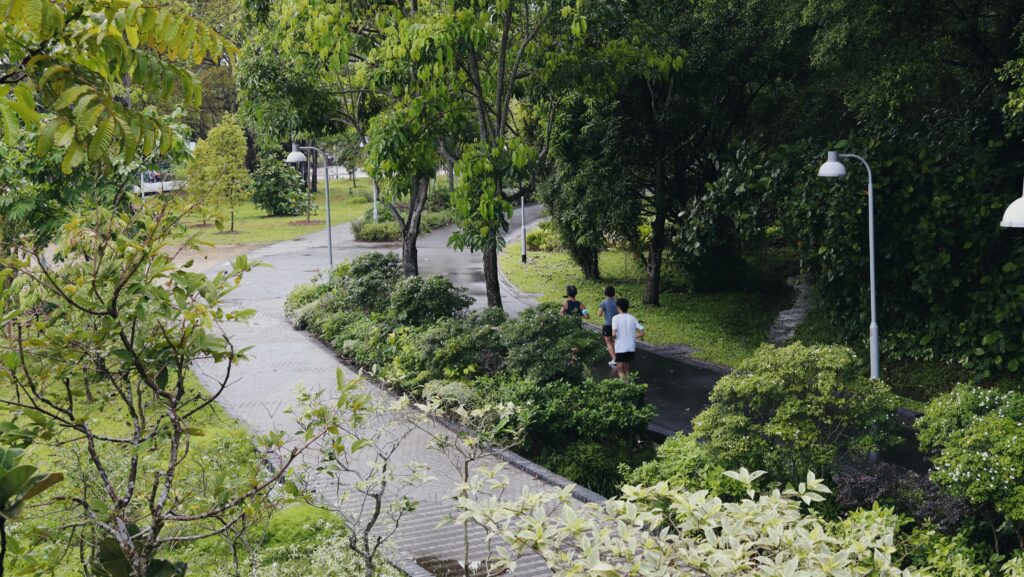
According to the WHO, people who are insufficiently active have a 20% to 30% increased risk of death compared to those who are sufficiently active, with an estimated four to five million deaths per year potentially preventable if the global population were more active. If current trends continue unchecked, the economic cost of treating preventable physical inactivity-related diseases is projected to reach US$300 billion by 2030, around US$27 billion annually. Physical inactivity is also associated with high healthcare costs and lost productivity, while regular physical activity serves as a safeguard against a range of chronic diseases including type 2 diabetes, cardiovascular disease, and some cancers. The design of a neighbourhood, whether it encourages walking, cycling, and incidental movement, or defaults to car dependency, turns out to be one of the most consequential public health decisions a city can make.
These costs are rarely visible in conventional development models. Land value, construction efficiency, and return on investment dominate the metrics by which urban projects are assessed, while the long-term health burden of poor design is absorbed by healthcare systems, employers, and individuals. Under large-scale urbanisation and motorisation, health conditions have worsened and various health problems, including obesity, diabetes, and cardiovascular disease, have become a heavy burden for individuals, families, and governments at different levels.That gap between what cities cost to build and what they cost to inhabit is precisely what wellness-led urbanism is trying to close.
Regenerative Infrastructure: Beyond Sustainability
As climate pressures intensify, the development industry is moving beyond sustainability toward a more ambitious standard: regeneration. Where sustainable buildings aim to reduce environmental damage, regenerative systems are designed to restore ecological function and generate net-positive environmental impact.
In practice, regenerative wellness districts integrate multiple layers of infrastructure working in concert: energy systems such as solar installations and green roofs supporting net-zero or net-positive performance; construction materials selected for their non-toxic, circular properties; climate-responsive architecture that maximises natural ventilation, daylight, and passive cooling; biodiversity-supporting landscapes with native plant ecosystems; and water recycling systems that reduce consumption while strengthening climate resilience. When combined at neighbourhood scale, these systems create environments that support both planetary and human health, reinforcing the evidence that ecological resilience and public wellbeing are deeply interconnected.
A New Standard for Urban Development
The evidence accumulated over the past five decades points consistently in one direction: the way cities are designed has a direct and measurable effect on the health of the people living in them. That understanding is now reshaping urban development at every scale, from the certification of individual buildings to the planning of entire districts.
What is changing is not just the ambition, but the tools available to act on it. Advances in urban ecology, materials science, and public health research mean that developers, planners, and policymakers have access to a growing body of evidence on what works, and increasingly, what it costs not to act. The US$300 billion annual burden of physical inactivity, the mortality costs of urban heat, and the measurable impact of green space on mental health all make the case for preventive design more concrete than it has ever been.
Cities are not simply built environments, they are health environments. The design of a street, the presence of a park, the quality of air inside a building: each shapes behaviour and biological outcomes in ways that compound over a lifetime. As urban populations continue to grow, the decisions made now about how cities are planned and built will determine public health outcomes for decades to come. The nature-positive city, where human health and ecological health are treated as inseparable, is not a distant ambition. It is a framework that cities around the world are already beginning to apply.