Five Shifts Shaping How Cities Work This Year
Cities are under increasing pressure, as climate impacts become more visible and urban systems are tested. This article looks at five shifts shaping how cities are changing, from people-centred digital systems to health-led planning, new approaches to finance and mobility, and deeper collaboration across sectors. Taken together, they point towards more regenerative ways of designing and managing cities.
This year placed real pressure on cities. Climate risk became more visible, public health remained a concern, and many urban systems showed their limits. In response, cities began to question not only what they build, but how well urban environments actually work for people over time.
Despite these challenges, there has been steady progress. Across regions, cities continued to test and scale new approaches, often in difficult conditions, with a clearer focus on long-term performance, quality of life and human outcomes.
Here are five themes we observed shaping sustainable cities this year.
1. Smart cities combined with human-centred urban systems
One of the clearer shifts this year was a move away from technology-led smart city narratives towards approaches that put people first. The theme of World Cities Day, People-centred smart cities, reflected a wider recognition that digital tools only matter if they improve daily life, strengthen resilience and support inclusion.
Instead of rolling out technology for its own sake, cities are increasingly asking how data, sensors and digital platforms can help them listen better, respond faster and design environments that support wellbeing. Architect and engineer Carlo Ratti, Director of the MIT Senseable City Lab, captured this sentiment when speaking in Bogotá this year, noting that cities must be responsive, inclusive and adaptive first, with technology serving those aims rather than driving them.
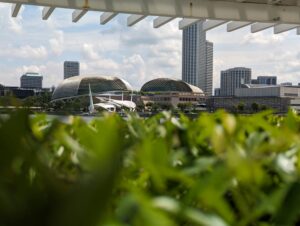
This shift is already visible in practice. In Singapore, smart systems are increasingly focused on liveability outcomes, from energy-efficient buildings to integrated mobility and health services. In the Middle East, smart city ambitions continue to grow under Saudi Arabia’s Vision 2030, with cities pursuing more joined-up approaches to mobility, energy and digital infrastructure.
2. Local climate action to create systems challenge
Cities remain critical actors in both climate mitigation and adaptation. This year, however, municipal climate strategies increasingly reflected a shift away from stand-alone climate plans towards more integrated approaches that link emissions reduction with resilience, liveability, biodiversity and health.
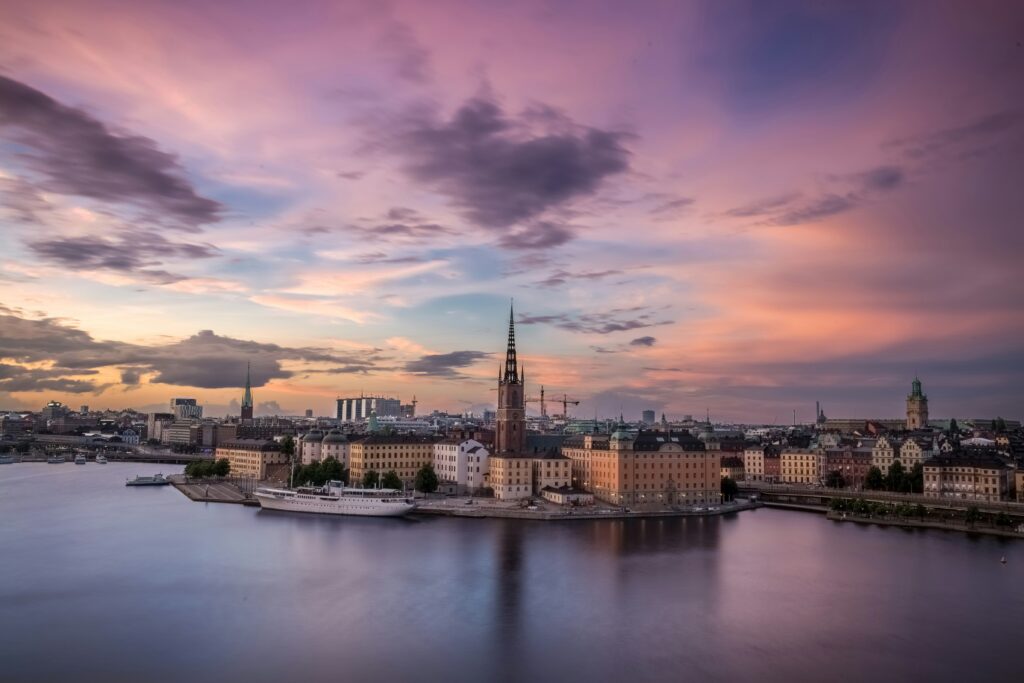
In Europe, Stockholm continued to advance its long-term climate agenda with a climate action plan for 2030 that combines cleaner air, expanded green space, biodiversity protection and more sustainable consumption patterns. Rather than treating these as separate objectives, the city is explicitly connecting environmental performance with quality of life.
Global city networks also played an important role. At the C40 World Mayors Summit, city leaders shared practical examples of cutting emissions while redesigning public space and improving social outcomes. Towards the end of the year, international institutions including the World Bank and the Global Environment Facility expanded programs to support sustainable city initiatives globally, helping dozens more cities, particularly in low- and middle-income countries, to access finance and technical assistance.
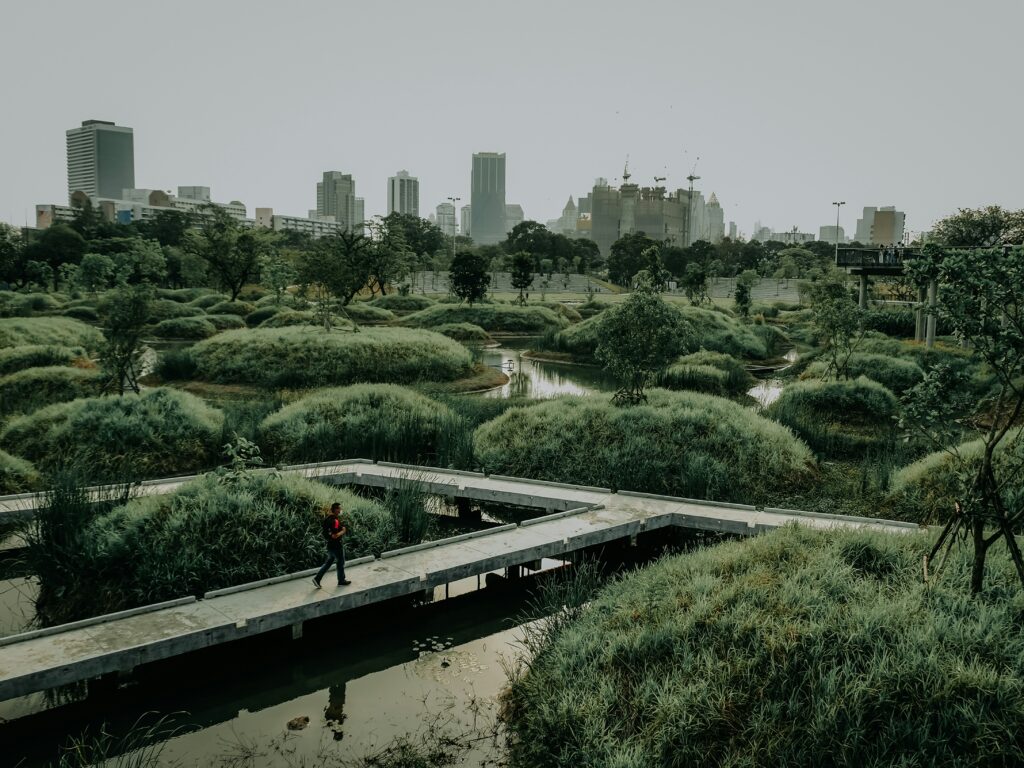
Across regions, nature-based solutions featured prominently, from floodable parks and restored wetlands to green corridors designed to reduce heat stress, manage water and support biodiversity. Importantly, these interventions are increasingly framed not as optional enhancements, but as essential urban infrastructure.
3. Finance and mobility shaping the pace of transition
Access to finance became a defining issue for cities this year. According to CDP, cities are now seeking more than US$100 billion in funding to support climate-resilient development. This points both to growing ambition and to the scale of the funding gap cities continue to face.
Green bonds continued to play a growing role in funding sustainable urban infrastructure. Mexico City, for example, has issued green bonds to support sustainable mobility. This includes the expansion of its cable car network, which aims to reduce journey times, improve accessibility and cut air pollution. In Paris, Plan Vélo 2021–2026 commits over €250 million to expanding protected bike lanes, secure parking and redesigning streets in favour of active travel, alongside efforts to pedestrianise hundreds of urban streets.
At the same time, longer-term mobility shifts continued. Public transport electrification accelerated in parts of Asia and Latin America, while investment in walking and cycling infrastructure expanded further in cities such as Bogotá and Amsterdam. Together, these changes reflect a growing understanding that mobility systems influence health, equity and everyday urban experience, not only emissions.

4. Health moving from co-benefit to core objective

Health gained greater prominence in urban sustainability discussions this year. The World Health Organization called on governments and cities to transform urban areas into “engines of health, equity and sustainability,” reinforcing the idea that health should be a core objective of urban policy rather than a secondary outcome.
Many cities began to link air quality, active travel and access to green space more directly with broader sustainability goals. In London, efforts to reduce car use in dense areas were framed as measures to improve public health as well as meet climate targets. In Medellín, continued investment in green corridors and urban greening helped cool neighbourhoods, support physical activity and improve mental wellbeing.
Nature-based solutions again featured strongly. Parks, restored waterways and tree-lined streets are increasingly recognised for their role in reducing heat stress, supporting active lifestyles and addressing health inequalities, particularly in dense or underserved areas. There is growing awareness that urban environments shape health outcomes over time, whether by design or by default.
5. Cross-sector collaboration
Another clear theme this year was the need for stronger collaboration across sectors and scales. Cities increasingly recognised that sustainability challenges extend beyond municipal boundaries and cannot be addressed by local governments alone.
A landmark moment was the first International Green Cities Conference, organised by the Food and Agriculture Organization of the United Nations (FAO) and UN-Habitat. Two key outcomes came from the event: a Communiqué and the Green City Principles and Criteria which set out a shared framework for making cities greener, more resilient and inclusive. These frameworks place strong emphasis on partnerships across government, civil society, academia and the private sector, as well as closer links between food systems, land use and urban planning.
What this signals going forward
Taken together, these themes point to a shift in how cities are thinking beyond sustainability and towards more regenerative approaches. Rather than limiting harm or managing impact, cities are increasingly asking how urban systems can actively support health, restore ecosystems and create long-term value.
Instead of isolated projects or single-issue interventions, there is growing focus on how climate action, health, equity, finance and nature are integrated into everyday urban systems. Technology is increasingly treated as a supporting tool rather than a goal in itself. Nature-based solutions are moving beyond pilots and becoming part of standard planning practice. Collaboration across disciplines and sectors is becoming essential to delivery.
Progress remains uneven and shaped by local context, governance and access to resources. Even so, the direction of travel is clear. As pressures from climate change, population growth and inequality intensify, the experiences emerging from cities this year will help define what regenerative urban development looks like in practice, and how urban success is understood and measured in the years ahead.