Infrastructure
Impact One develops evidence-based models of a true-value economy, establishing a new asset class of infrastructure that places interconnected human and environmental wellbeing at its core.
Impact One supports the development of social and environmental infrastructure in cities around the world to serve as models for healthy and climate-positive urban living.
Cities are currently the biggest threat to our ecosphere – and are set to dramatically expand over the next decades.

The race against climate change does not only involve reducing the pollutants that we release into the world, but about creating architectural and social models that naturally regenerate the health of the planet.
Our concept of Wellbeing Infrastructure means

Accounting of ecosystem services as public infrastructure

Redesigning cities for human and planetary health

Ensuring investments have climate positive impact

True value assessments of environmental and human health

Full life-cycle impact assessments of new developments

Controlling and measuring impact of the building

Fully compensating for development and operation of building

Embedding models of carbon and biodiversity compensation and ecosystem restoration
Climate-positive and health-promoting growth can be achieved if nature-based solutions applied in systemic approaches become an integral and inextricable part of urban development through adaptations of the building code.
Full Lifecycle Impact Design
Impact One monitors ecosystem services by leveraging technology and collective intelligence on comprehensive digital platforms to assess the positive and negative impacts of urban development, nature-based and biodiversity projects.
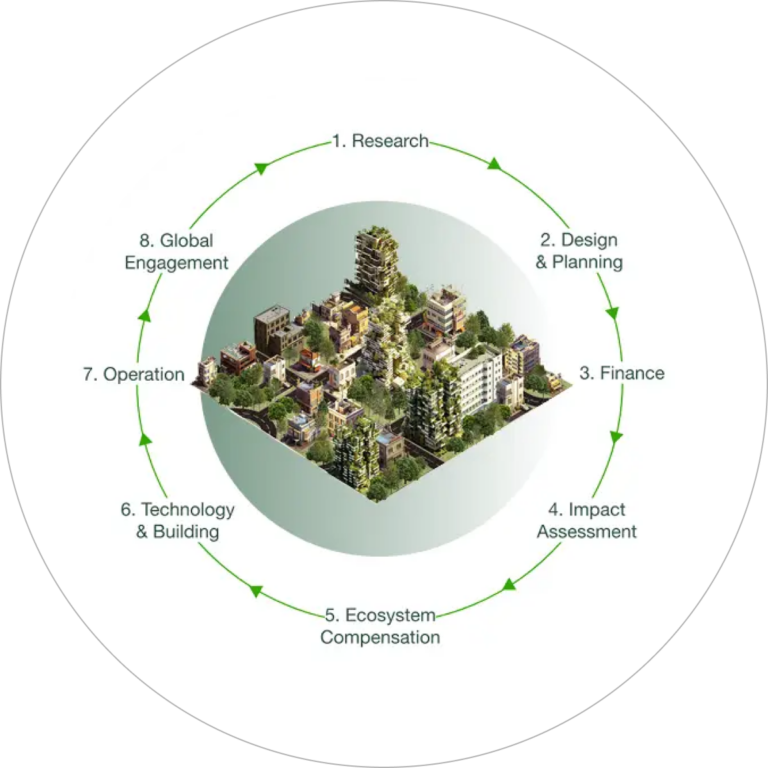
Research
Coordinating research that focuses on health, wellbeing and technological innovation
Ecosystem Compensation
Compensating the complete lifecycle impact of built infrastructure
beyond ESGs.
Design & Planning
Targeting urban development projects aimed at redesigning cities that promote human and planetary health.
Technology & Building
Building spaces that fulfill
health-promoting conditions with full atmospheric control.
Finance
Accounting of ecosystem services as public infrastructure to ensure climate positive investments.
Operation
Ensuring the optimal day-to-day
conditions of operations and general project maintenance.
Impact Assessment
Assessing the full environmental and human health impact of new developments and infrastructure.
Global Engagement
Partnering with leading platforms on impact communication and climate
change to contribute to regulations.
One Health Research Centre
From Building to Growing Cities
Raising ambitions from a reduction-driven climate policy to positive growth: calling for a nature-positive urban development.

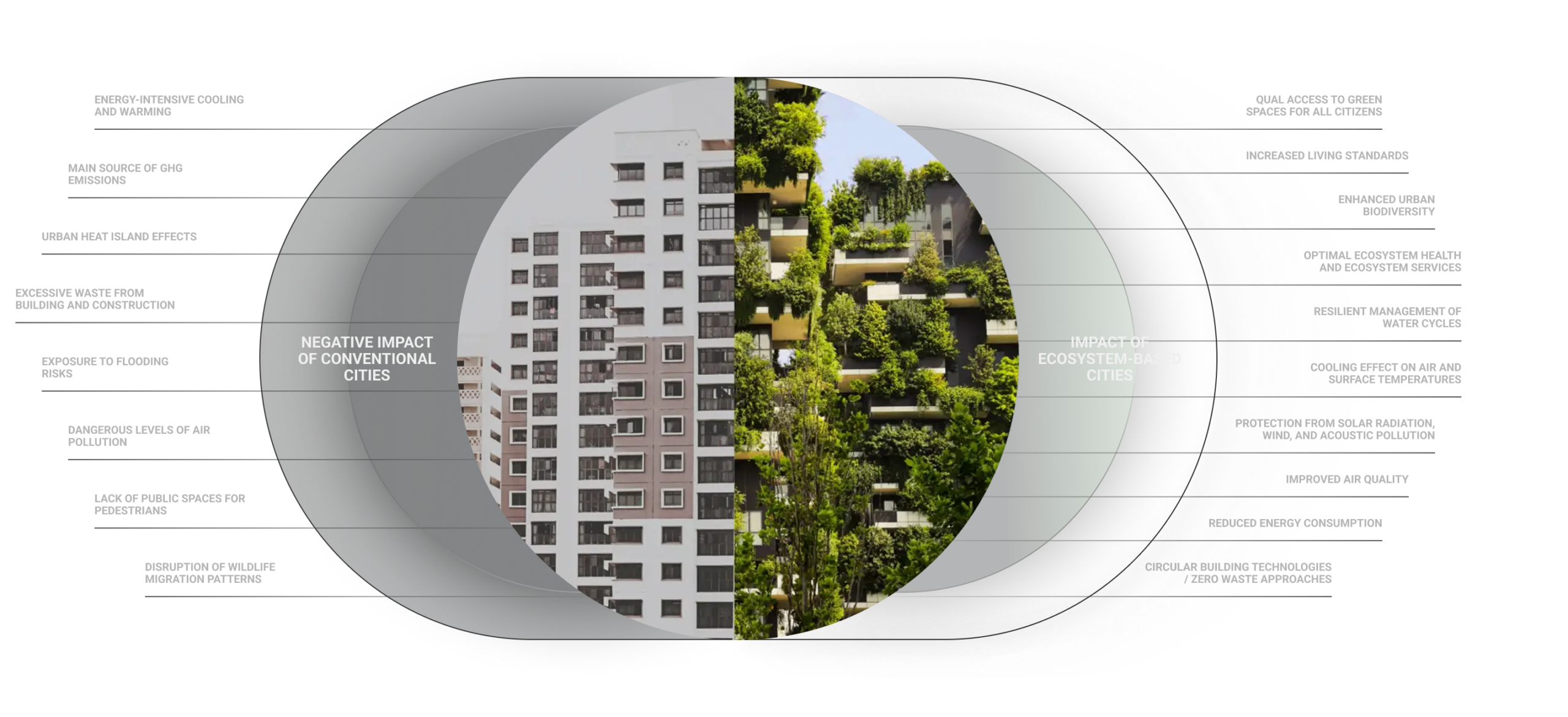
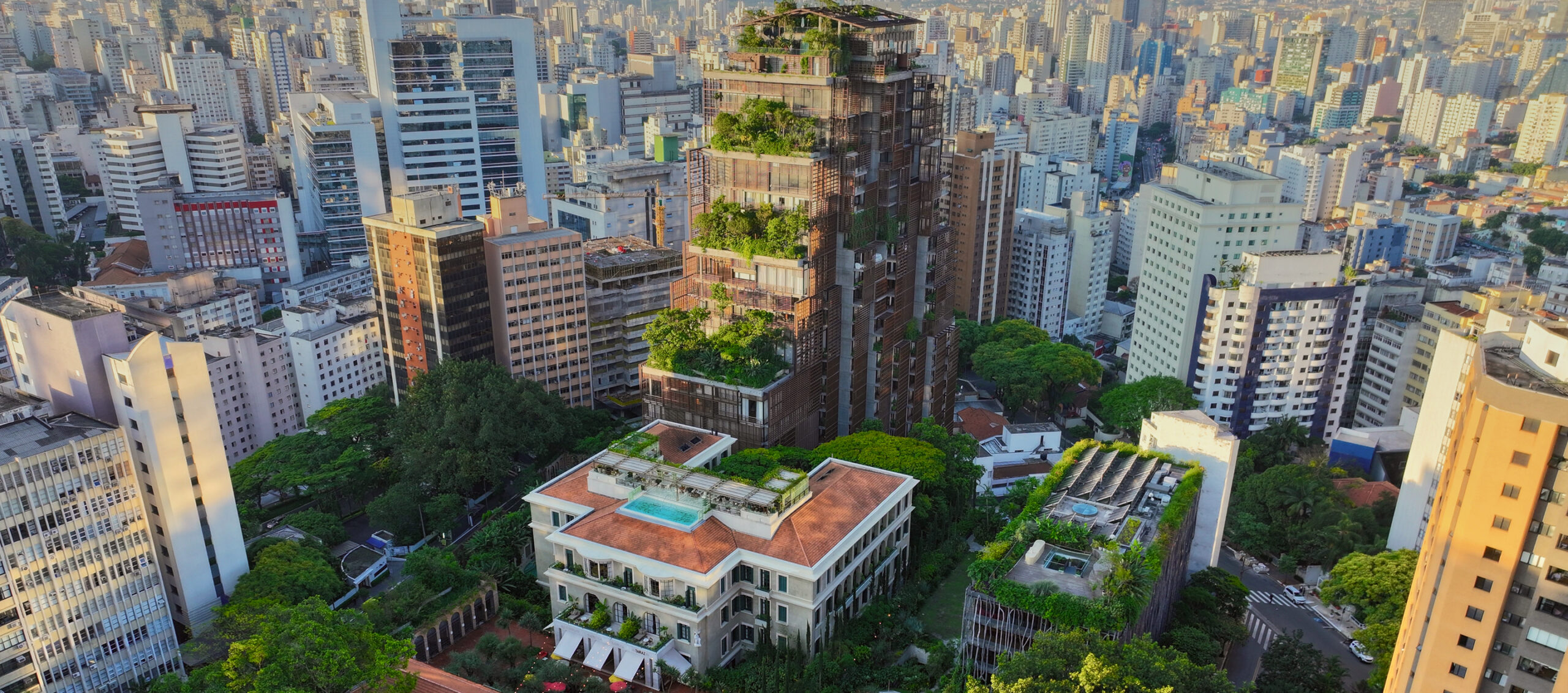
The integration of green infrastructure into our cities provides systemic services towards the reduction of energy consumption, pollution and health risks:
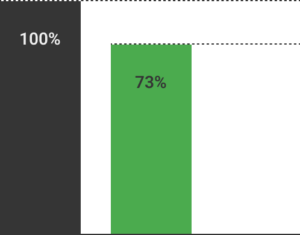
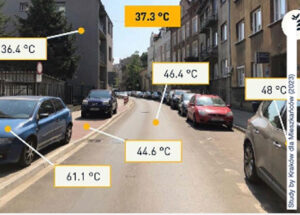
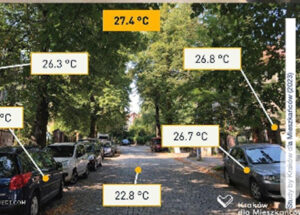
maximal reduction in lower surface temperature recorded in an urban forest compared to tarmac
max. reduction in concentration of particulate matter (PM) measured in cities as an effect of urban vegetation
Bosco One
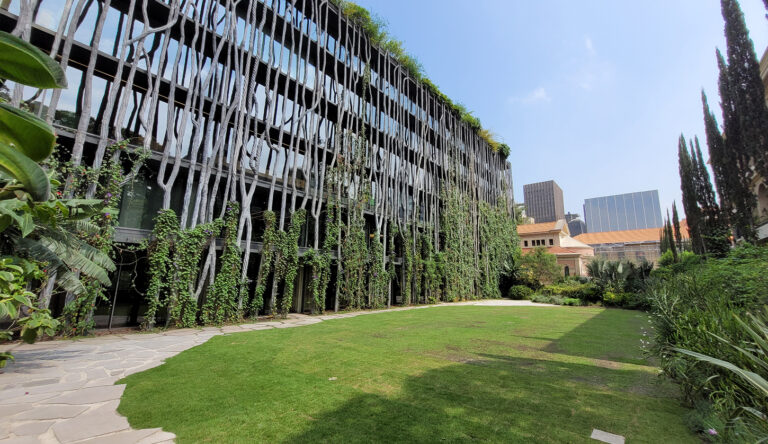
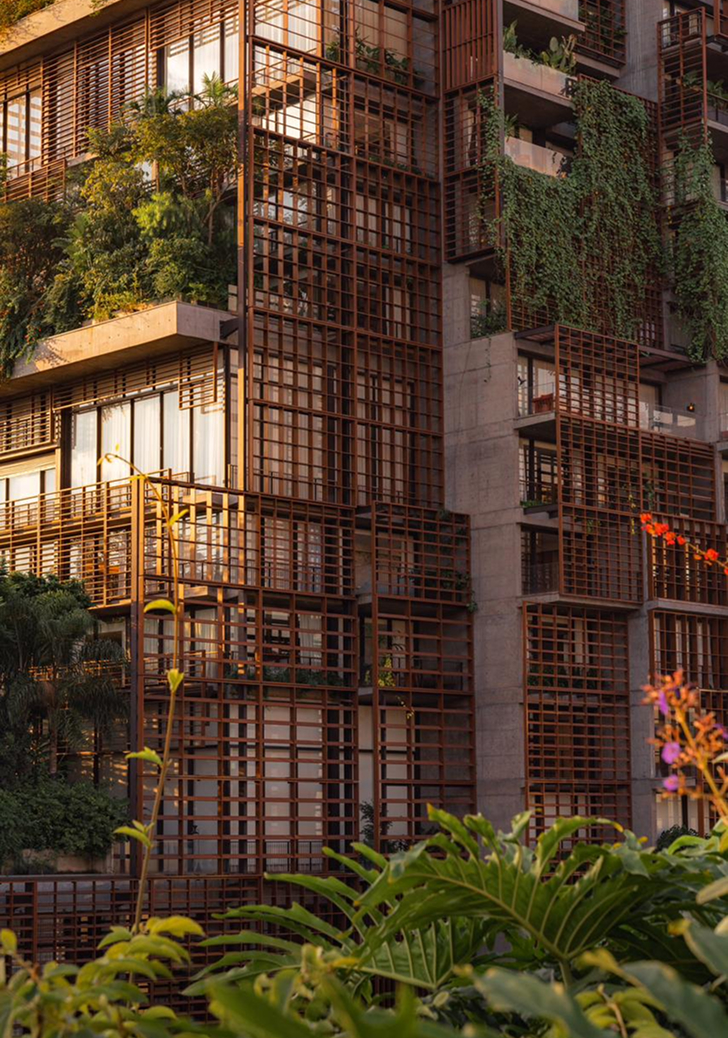
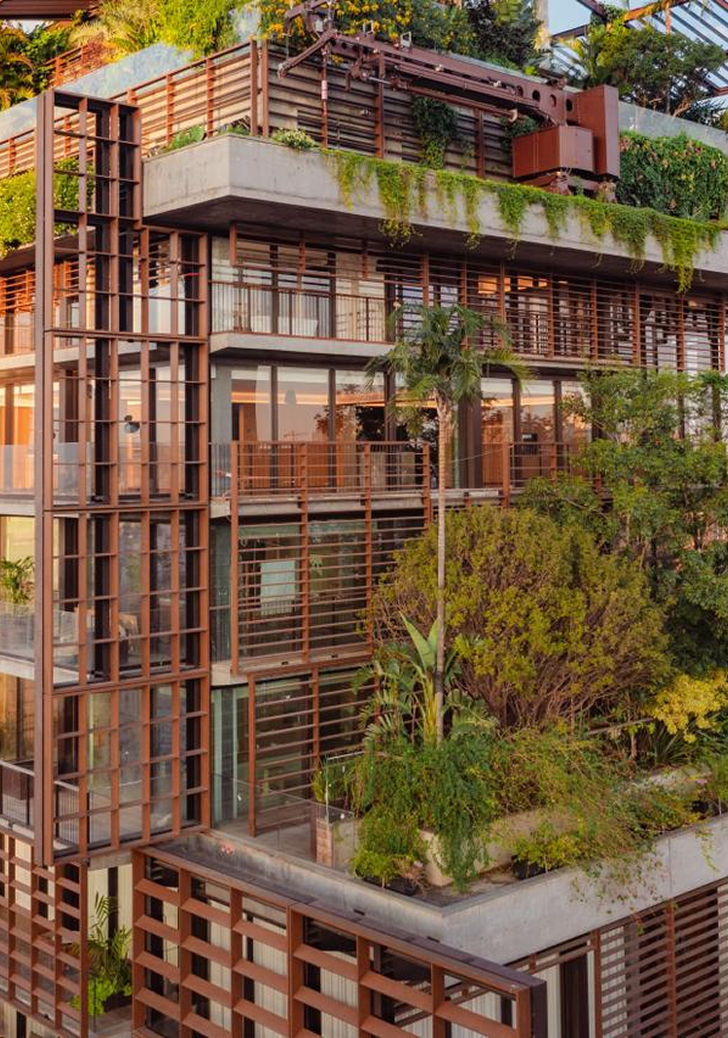
Bosco One is a joint vision by Stefano Boeri Architetti and Impact One, founded to establish new standards of sustainable architecture, and further develop and scale the concept of the Milan residential towers Bosco Verticale into a global model for the city of the future. Bosco developments showcase an integrated effort of lifecycle compensation, providing evidence-based healthy environments.
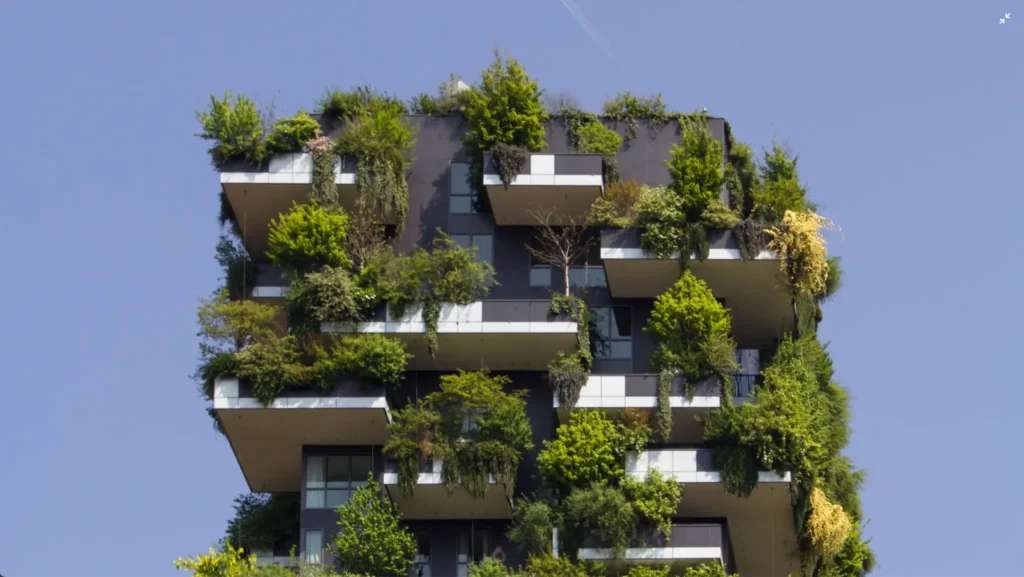


“ A mature tree in the city produces 110 kg of oxygen each year, and absorbs about 400 kg of carbon dioxide. Bringing nature to the cities of the world is no longer just a gesture of good intention by a small minority. These are necessary choices if we want our cities to become the protagonists of change. ”
Stefano Boeri, Architect
Green Obsession: Trees Towards Cities,
Humans Towards Forests
The integration of green infrastructure into our cities provides systemic services towards the reduction of energy consumption, pollution and health risks:
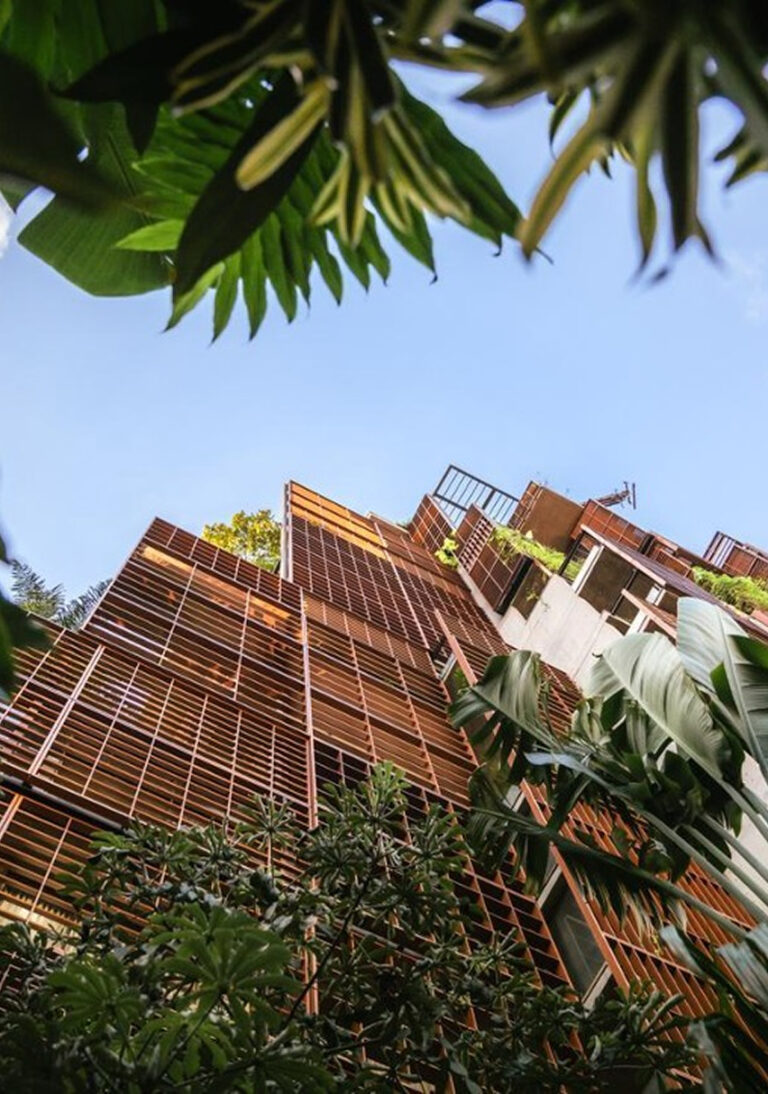
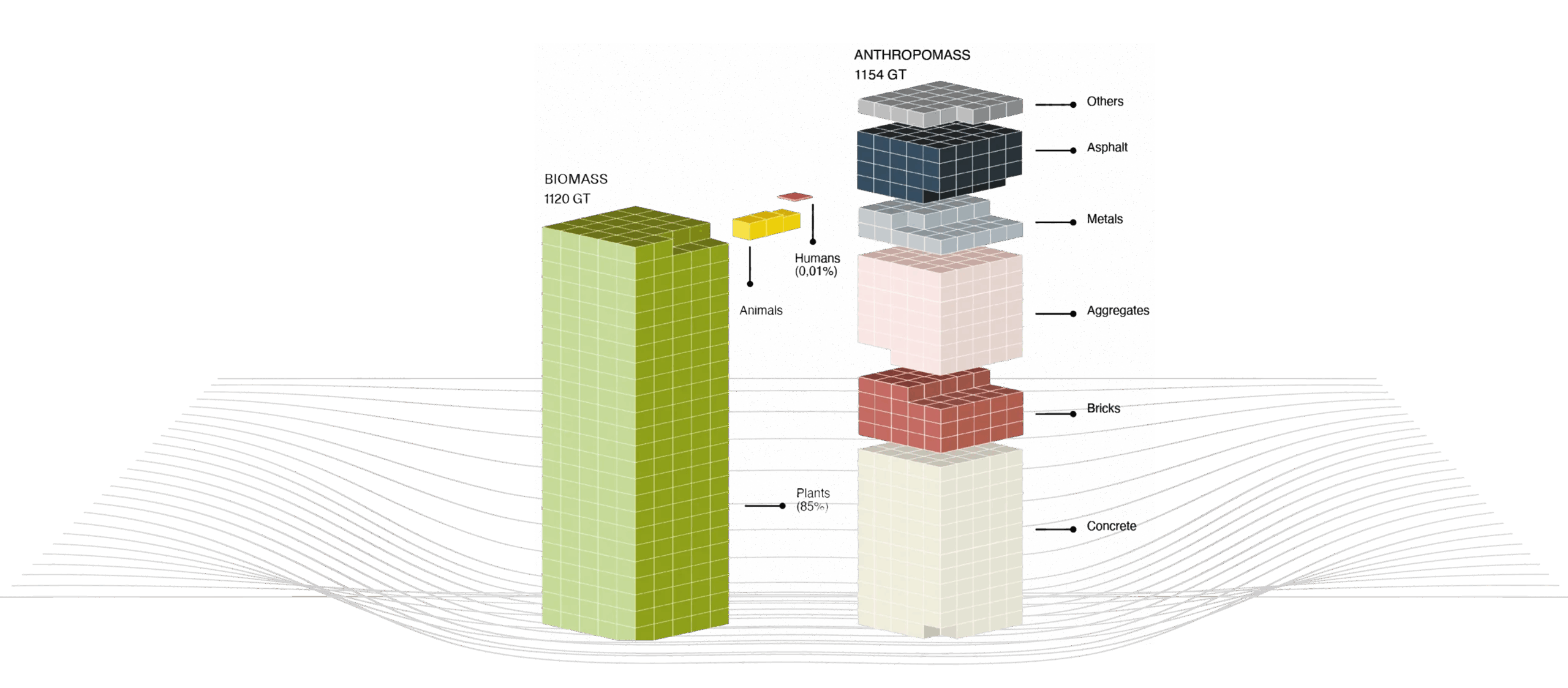
Humans make up only 0.01% of the mass of living beings on Earth, yet 2020 marked the turning point at which the mass of human-produced objects (excluding waste) became greater than the world’s total biomass.
Plants, essential to creating life-supporting conditions on our planet, are being replaced in cities by inert artificial matter.

"We need to bring back to the town nature. I mean a new town where everything is covered by plants, everything is under the plants, where the plants are inside of the buildings. Did you ask yourself why there are no plants indoors, why in our hospitals, in our schools, in our offices, there are no plants?”

Stefano Mancuso
Co-Founder of PNAT, Author & Professor of Botany at the University of Florence
Nature-Based Assets as Infrastructure
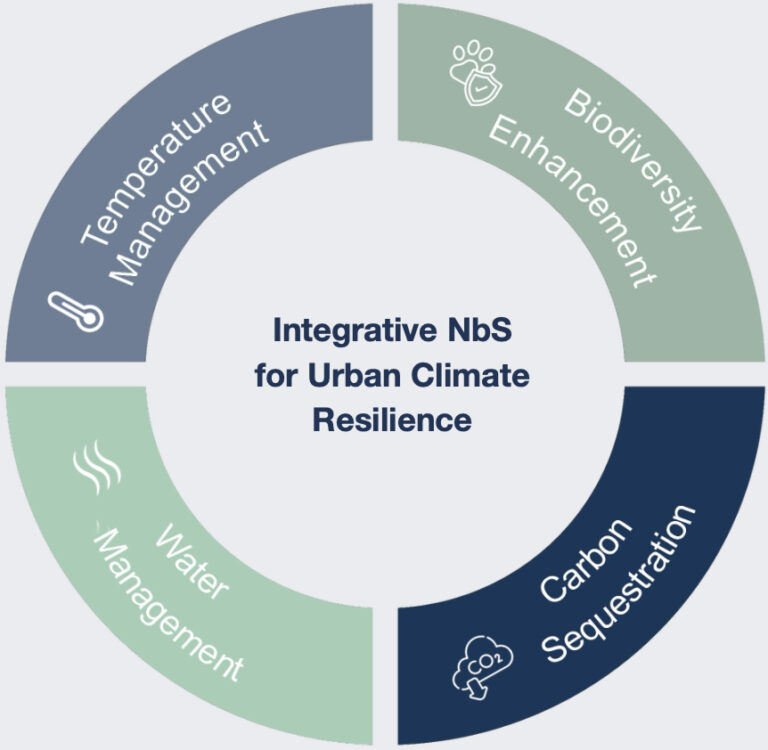
Integrating Nature-based Solutions (NbS) as a core component of urban infrastructure provides cities environmental protection, enhanced quality of life, substantial cost-savings and economic growth.
Unlike traditional urban development approaches, nature-based solutions leverage the inherent resilience and multifunctionality of natural ecosystems. Their comprehensive nature makes them capable of providing multiple solutions at the same time.
One park can manage water and local temperatures, enhance biodiversity and increase carbon sequestration. No other man-made technology yet offers the same range of capabilities.
Economic Benefits
Nature-Based Solutions
Traditional Urban Development
Cost Savings
Up to 50% cheaper for similar services (e.g., carbon sequestration)
Higher upfront and maintenance costs
Property Value Increase
Properties near green spaces increase value by 20%
Minimal impact on property values
Job Creation
Creates local jobs in maintenance and conservation
Limited to specialized labor
Long-Term Economic Returns
$4 in benefits for every $1 invested in urban greening
Limited to infrastructure lifespan
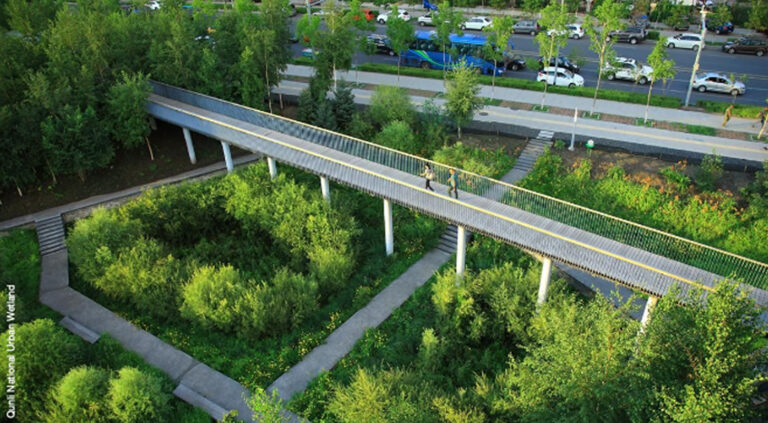
Biodiversity Enhancement
Regular exposure to natural environments can positively affect lifestyle disorders and immune defense, crucial for both physical and mental well-being.



OHRC. (2024). Biodiverse Urban Environments for Healthy Living.
Temperature Management
Nature-based solutions can provide natural shade and release moisture into the air, reducing the need for energy-intensive air conditioning and improving overall life quality.
Solar Absorption
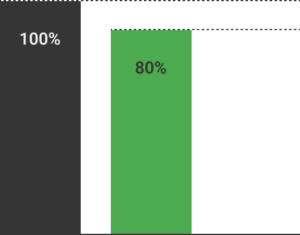
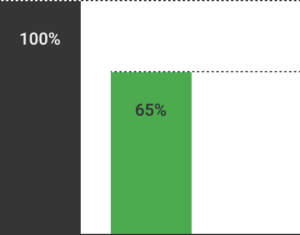
-20%
Trees reflect up to 20% of solar radiation, while actively cooling through water evaporation
Needed A/C Units
3000 kW – 28000 kW is the cooling efficiency of a 1ha size park with trees, equivalent to 1000 air conditioning units
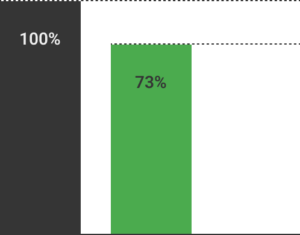
Traditional Urban Solutions
Nature-based Solutions
Water Management
Afforestation allows cities to better absorb rainwater, refill groundwater, and filter out pollutants. This cycle eases the pressure on infrastructure, creating a resilient environment.
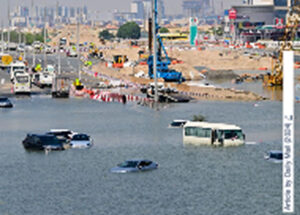
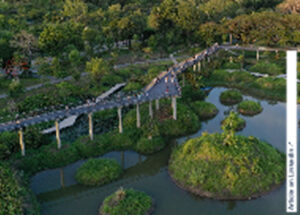
Water Infiltration
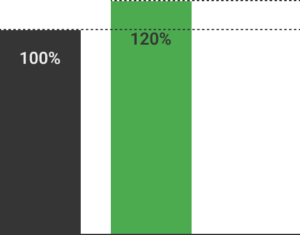
Flood Intensity
0,7 kWh/L of energy is used by a large tree to evapotranspirate and convert liters of liquid water into water vapor
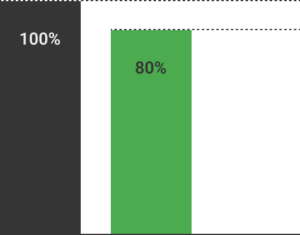
Traditional Urban Solutions
Nature-based Solutions
Carbon Sequestration
Urban forests can capture and store carbon dioxide for in the long-term, promoting a healthier atmosphere and helping to offset emissions from cars, factories, and buildings.
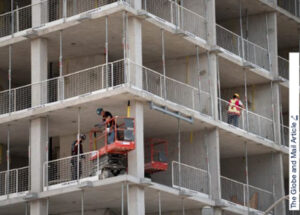
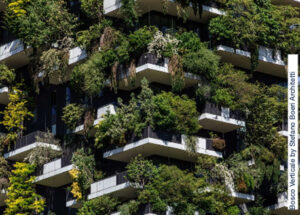
Sequestration Potential